
During the ballast marathon, an interesting study from Rene Falquier was presented by Bruce Goldsmith. We needed to put more context around it and Rene offered the additional words below. The full study is available at the KTH University Download portal while the summary is to be found here
The numerical simulation results for the BGD Weightless Study were generated using a 3 Degree of Freedom (Vertical Displacement, Longitudinal Displacement, Pitch Rotation) longitudinal flight physics model as outlined in the academic paper provided. The physics model takes into account both aerodynamics (Lifting Line Model) and inertial dynamics (weight, matrix of rotational inertia etc.), where the aerodynamic and inertial parameters for the glider systems were generated using real designs (courtesy of BGD) and academically sourced data (see paper sources).
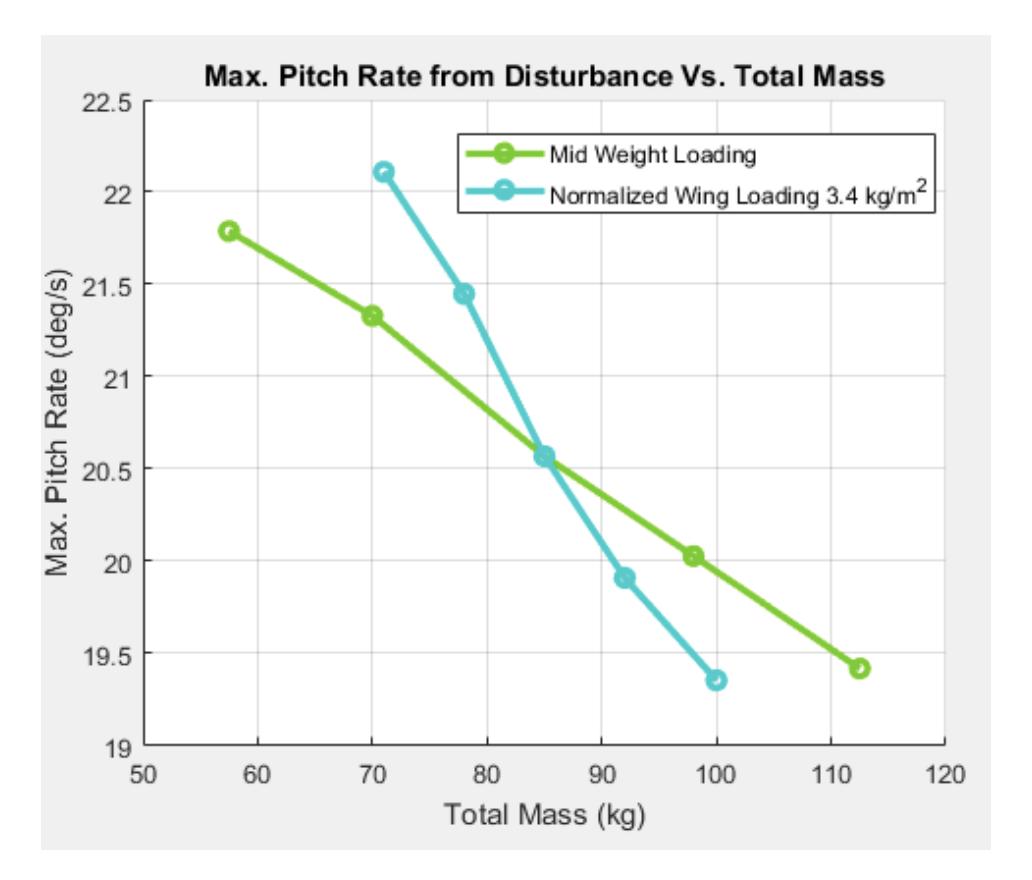
The simulations were run both at normalized weight range (i.e. distinct wing loading per size, reflective of the way gliders are flown in the real world) and normalized wing loading (i.e. same wing loading across different sizes even if it meant artificially high weight or artificially low weights w.r.t. certified weight range), for comparison.
The intent of the study was to demonstrate whether inertial effects have an impact on glider performance across different sizes when subject to an equal disturbance (i.e. a thermal of defined strength). The quantitative results are subject to correction due to the low-fidelity aerodynamic model used, however, the qualitative results are valid as a higher fidelity aerodynamic model (e.g. CFD or Fluid-Structure-Interaction-Model Aerodynamics) would only impact the quantities but not the behavioral differences.
The primary conclusion of the study is that inertial dynamics dominate the difference in handling characteristics across different sizes, even with normalized wing loading. The secondary conclusion of the study is that inertial dynamics have a significant effect on glide performance as measured in difference in altitude at goal w.r.t. baseline that is comparable and similar in scale to the aerodynamic effects across sizes. Overall, smaller sizes are disadvantaged not only in handling, but also in glide performance (where both aerodynamics and inertial effects have an impact when flying in disturbed air). In short, aerodynamics are one component of the difference in performance and handling, and are not comprehensive in explaining the difference.
Disclosure of potential conflicts of interest: the study was a master's thesis research project done on behalf of the KTH Royal Institute of Technology, sponsored by BGD. The project was peer reviewed by a panel of master's students not involved in the project, and controlled by the academic supervisor Dr. Ulf Ringertz.